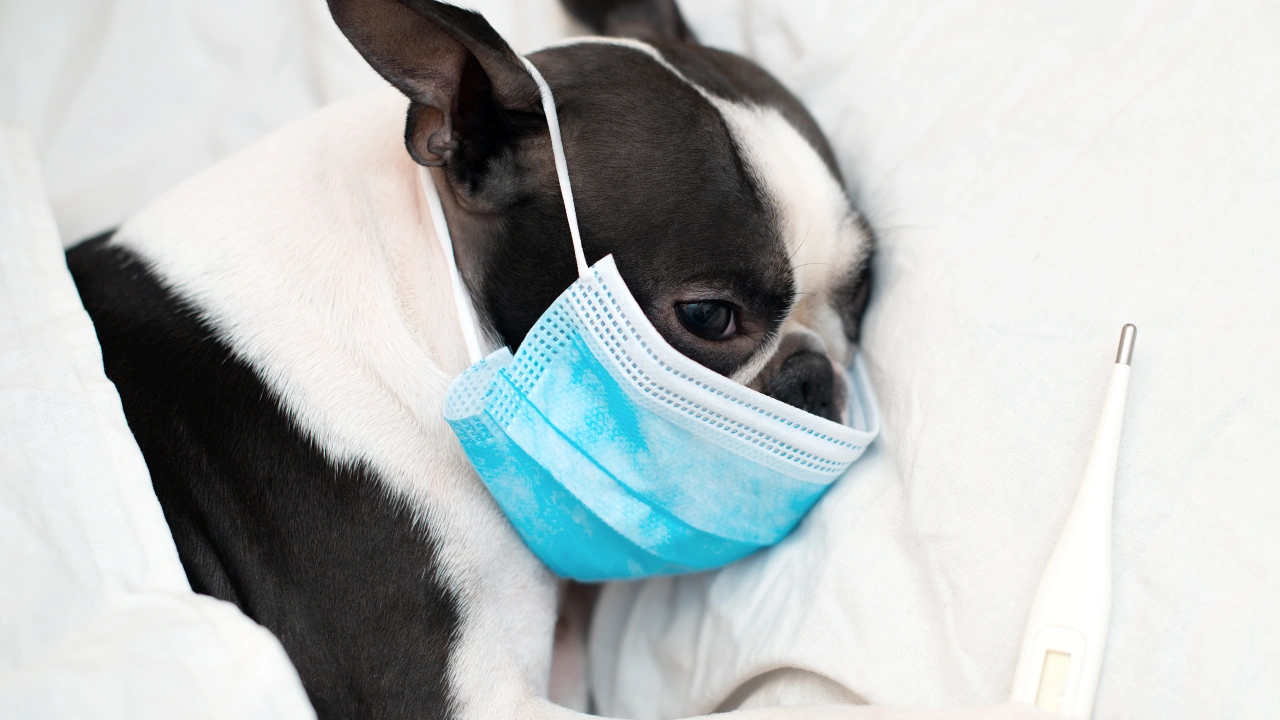
5 Contagious Puppy Conditions a Puppy Wellness Centre Works to Control
Protecting Your Puppy from Contagious Illness Starts with Early Preventive Care
Bringing home a new puppy is an exciting step for families in Whitby, ON. Along with playtime and training comes an important responsibility: protecting your young dog from contagious illness. Puppies are more vulnerable because their immune systems are still developing, and exposure can happen quickly at parks, grooming facilities, and even neighbourhood walks.
A trusted Puppy Wellness Centre plays a central role in reducing these risks. Through scheduled exams, vaccinations, and preventive screenings, early threats can be identified before they become serious. For pet owners in Whitby, ON, knowing what to watch for and where to turn can make a meaningful difference in your puppy’s first year.
Why Early Disease Prevention Matters in Whitby, ON
Young dogs explore everything with their noses and mouths. This natural curiosity increases exposure to viruses, bacteria, and parasites. Many contagious conditions spread through:
- Direct contact with infected dogs
- Shared water bowls or toys
- Contaminated surfaces
- Airborne droplets from coughing
A Puppy Wellness Centre focuses on structured prevention plans that include vaccine schedules, fecal testing, and routine physical exams. These visits are not just formalities; they are checkpoints that track development and detect subtle warning signs.
1. Parvovirus
How It Spreads
Canine parvovirus spreads through contaminated feces, soil, and surfaces. It is extremely resilient and can survive for months in the environment.
Early Warning Signs
- Severe vomiting
- Bloody diarrhea
- Lethargy
- Loss of appetite
Parvovirus can progress rapidly in puppies. A Puppy Wellness Centre administers core vaccinations based on age and weight, reducing the risk of infection. Early screening also helps identify symptoms before dehydration becomes life-threatening.
2. Distemper
Transmission Risks
Distemper spreads through airborne exposure, similar to a cold or flu in humans. Puppies can contract it from infected dogs in parks or shared indoor spaces.
Symptoms to Watch For
- Nasal discharge
- Coughing
- Fever
- Neurological signs in advanced stages
Vaccination is the primary safeguard. At a Puppy Wellness Centre, structured immunization appointments ensure your puppy receives doses at appropriate intervals. Consistency matters, especially during the first few months of life.
3. Kennel Cough
Why It’s So Common
Kennel cough spreads easily in environments where dogs gather, including training classes and boarding facilities in Whitby, ON. It can be caused by bacteria or viruses.
Recognizable Signs
- Persistent dry cough
- Gagging or retching
- Mild lethargy
Although many cases are mild, complications can develop in young dogs. A Puppy Wellness Centre evaluates respiratory health during routine exams and recommends vaccination when exposure risk is high.
4. Canine Influenza
How It Circulates
Canine influenza spreads through respiratory droplets when infected dogs bark, cough, or sneeze. It moves quickly in social settings.
Symptoms Include
- Fever
- Nasal discharge
- Persistent cough
- Reduced energy
Because symptoms resemble other respiratory illnesses, diagnosis requires professional assessment. A Puppy Wellness Centre can perform examinations and guide isolation steps to limit the spread within households or community spaces.
5. Intestinal Parasites
Common Types
Puppies in Whitby, ON, frequently encounter:
- Roundworms
- Hookworms
- Giardia
These parasites spread through contaminated soil, feces, or ingestion of infected prey.
Early Indicators
- Diarrhea
- Pot-bellied appearance
- Weight loss
- Dull coat
Routine fecal testing at a Puppy Wellness Centre detects parasites early. Deworming schedules and hygiene guidance help prevent reinfection.
The Role of Routine Checkups
Regular visits to a Puppy Wellness Centre allow veterinarians to:
- Monitor growth and weight gain.
- Update vaccinations
- Conduct fecal and blood testing.
- Examine eyes, ears, and lungs.
- Discuss nutrition and hygiene.
Early screening reduces complications and prevents community outbreaks. Preventive visits also build familiarity, helping puppies feel calmer during future appointments.
In Whitby, ON, Morningstar Pet Hospital provides structured preventive programs tailored to a puppy’s age and exposure risks. Establishing care early supports consistent monitoring during critical growth stages.
Hygiene Practices That Reduce Spread
Beyond vaccinations, daily habits play a major role. A Puppy Wellness Centre often advises owners to:
- Clean food and water bowls daily
- Disinfect shared toys
- Avoid high-traffic dog areas until the vaccination series is complete.
- Wash your hands after handling waste.
These measures may seem simple, yet they significantly reduce exposure risks.
At Morningstar Pet Hospital in Whitby, ON, preventive care discussions include practical home strategies that fit local lifestyles, from backyard play to waterfront walks.
Why Whitby, ON, Puppy Owners Should Act Early
Community spaces such as parks and walking trails are valuable for socialization, but they also increase exposure to the outdoors. Scheduling visits at a Puppy Wellness Centre ensures your puppy receives protection before exploring public areas.
Early appointments allow professionals to track changes over time. Even mild symptoms can signal an underlying infection, and timely action can help prevent complications.
FAQs About Contagious Puppy Conditions
1. When should my puppy first visit a Puppy Wellness Centre?
Most puppies should have their first exam around 6–8 weeks of age. Early visits establish vaccination schedules and baseline health assessments.
2. Are all contagious diseases preventable with vaccines?
Vaccines significantly reduce the risk of many major illnesses, such as parvovirus and distemper, but no vaccine guarantees complete immunity. Routine exams remain important.
3. How often should fecal tests be done?
Young puppies often require multiple fecal tests during their first year, especially if they spend time outdoors or around other dogs.
4. Can my puppy socialize before completing vaccinations?
Limited, controlled interactions with vaccinated dogs may be safe, but public dog parks should be avoided until your Puppy Wellness Centre confirms adequate protection.
5. What should I do if my puppy shows symptoms?
Contact a veterinary professional immediately. Early assessment can prevent rapid progression and limit spread to other pets.
Moving Forward
Contagious conditions can escalate quickly in young dogs. Early vaccination, screening, and hygiene guidance make a measurable difference in protecting your puppy and the wider Whitby, ON community.
Schedule a visit to Morningstar Pet Hospital to ensure your puppy’s health plan is on track. Contact our veterinary team today to book an appointment and take the next step toward responsible, proactive care.