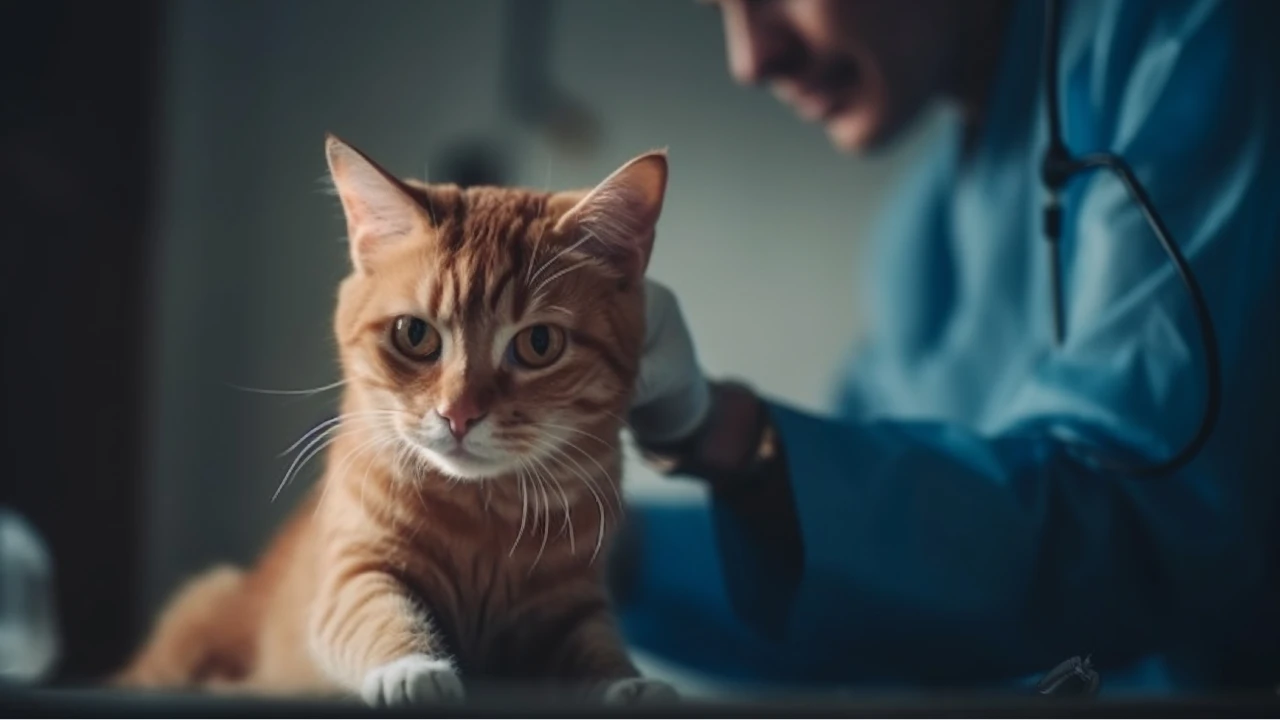
7 Clues Your Cat Should Visit a Veterinarian for Mobility Issues
When Subtle Movement Changes Signal It’s Time to See a Veterinarian in Whitby, ON
Cats are known for their agility. They leap onto counters, sprint down hallways, and twist mid-air with ease. So when your cat hesitates before jumping or struggles to climb the stairs, it can feel unsettling. Many pet owners in Whitby, ON, wonder whether these changes are simply part of aging or signs of something more serious.
If you’ve noticed subtle shifts in how your cat moves, it may be time to consult a Veterinarian. Early assessment can make a meaningful difference in comfort, function, and overall health. At Morningstar Pet Hospital in Whitby, ON, cats receive thorough evaluations focused on identifying the root cause of mobility concerns.
Below are seven important clues that your cat should see a Veterinarian for mobility issues.
Why Mobility Changes Shouldn’t Be Ignored in Whitby, ON
Mobility problems in cats often develop gradually. Because cats instinctively hide discomfort, signs can be easy to miss. A visit to a Veterinarian allows for a detailed physical examination and, if needed, diagnostic imaging to pinpoint issues such as joint disease, soft tissue strain, or neurological concerns.
In Whitby, ON, seasonal changes, slippery floors, and even minor household injuries can contribute to mobility challenges. Addressing them early can prevent further decline and support your cat’s day-to-day function.
1. Hesitation Before Jumping or Climbing
If your cat once jumped effortlessly onto furniture but now pauses or avoids elevated surfaces, this is a key signal. Reduced jumping ability often points to joint stiffness or discomfort in the hips or spine.
A Veterinarian can assess joint range of motion, check for pain responses, and recommend appropriate next steps. In Whitby, ON, indoor lifestyles may limit natural activity, which can also influence joint health over time.
2. Limping or Favouring One Leg
Even a mild limp deserves attention. Cats may shift their weight subtly, making the issue less obvious than in dogs. Limping may result from:
- Sprains or strains
- Paw injuries
- Arthritis
- Ligament concerns
A timely evaluation by a Veterinarian helps determine whether the issue is minor or requires further investigation. Ignoring a limp can lead to compensatory strain on other limbs.
3. Reduced Activity or Playfulness
Has your cat become less interested in toys or interactive play? A drop in activity level is often one of the earliest clues of discomfort. Cats experiencing joint or muscle issues may conserve energy to avoid aggravating pain.
During an exam, a Veterinarian can rule out systemic health conditions while focusing on musculoskeletal function. For families in Whitby, ON, noting changes in daily behaviour can provide helpful context during the appointment.
4. Difficulty Using the Litter Box
Mobility challenges can affect routine habits. If your cat struggles to step into the litter box or begins eliminating outside of it, the problem may not be behavioural. High-sided boxes can become difficult to access when joints are stiff.
A Veterinarian will assess whether pain, arthritis, or neurological factors are interfering with normal movement. Adjustments at home, combined with medical management, may significantly improve comfort.
5. Changes in Grooming Habits
Cats with mobility concerns often groom less thoroughly. You may notice mats forming along the lower back or hips. Twisting to reach certain areas can become uncomfortable when joints are inflamed.
An experienced Veterinarian can evaluate flexibility and look for signs of degenerative joint disease. In Whitby, ON, where indoor heating can dry skin during colder months, reduced grooming may also contribute to coat issues.
6. Stiffness After Rest
Does your cat seem stiff after waking up? Morning stiffness is a common indicator of joint disease, particularly in middle-aged and senior cats. While occasional stiffness may seem minor, persistent patterns warrant attention.
A Veterinarian can discuss management options to maintain comfort and support mobility as your cat ages. Monitoring these changes early allows for a proactive plan rather than a reactive response after a significant decline.
7. Sensitivity When Touched
If your cat pulls away, vocalizes, or swats when certain areas are touched, this may indicate localized pain. The hips, lower back, and knees are common problem areas.
A thorough exam by a Veterinarian includes gentle palpation and movement testing to identify discomfort. In Whitby, ON, households with children or other pets, recognizing these sensitivities is especially important to prevent accidental aggravation.
Common Concerns Pet Owners Share
Many cat owners hesitate to schedule a visit because they’re unsure whether the issue is serious enough. Questions often include:
- Is my cat just slowing down with age?
- Could this be temporary?
- Will my cat need extensive treatment?
Consulting a Veterinarian provides clarity. Even if the issue is mild, having a documented baseline helps track changes over time.
Services Available at Morningstar Pet Hospital in Whitby, ON
Morningstar Pet Hospital offers diagnostic and medical services focused on identifying mobility-related concerns in cats. During your visit, a Veterinarian may recommend:
- Comprehensive physical examination.
- Orthopedic and neurological assessment.
- Digital imaging is indicated.
- Weight management guidance.
- Lifestyle modification strategies.
Each cat’s needs are different. The goal is to determine the cause of reduced mobility and outline practical steps to maintain function and comfort.
Why Choosing a Local Clinic in Whitby, ON Matters
Working with a local Veterinarian offers continuity of care. Your pet’s medical history, environment, and lifestyle are well understood over time. In Whitby, ON, having a nearby clinic means quicker access to care if symptoms progress.
Local clinics also understand regional factors such as climate, housing styles, and common activity patterns that may influence feline health.
Preventative Care and Wellness Tips for Mobility Support
Prevention plays a central role in maintaining feline mobility. Consider the following:
Maintain a Healthy Weight
Excess weight places additional strain on joints. A Veterinarian can help determine an appropriate feeding plan.
Encourage Safe Activity
Interactive toys and low-impact play can keep muscles engaged without overexertion.
Provide Easy Access
Use ramps or low-entry litter boxes to reduce strain on your pet.
Schedule Routine Exams
Regular check-ups allow a Veterinarian to detect subtle changes before they become more serious.
Proactive monitoring is especially important for senior cats in Whitby, ON, where indoor living is common.
Supporting Your Cat’s Mobility in Whitby, ON
Mobility changes rarely resolve on their own. Subtle signs—hesitation, stiffness, reduced grooming—can indicate underlying issues that benefit from professional evaluation. Acting early helps preserve your cat’s comfort and independence at home.
If you’ve noticed any of these seven clues, consider booking an appointment with Morningstar Pet Hospital in Whitby, ON. A trusted Veterinarian can assess your cat’s movement, answer your questions, and outline appropriate next steps. Prompt attention today may help maintain your cat’s activity and quality of life in the months and years ahead.