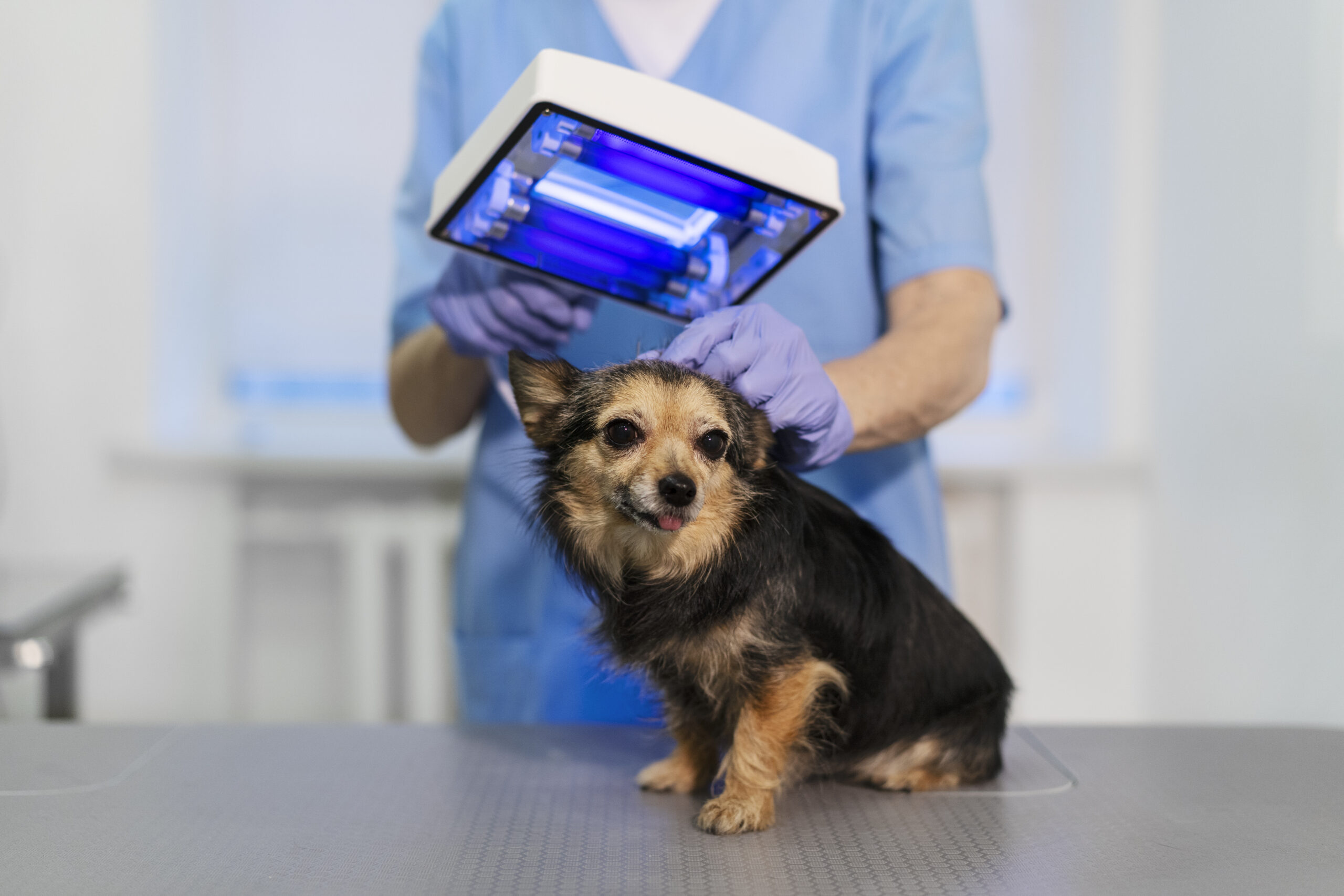
How a Dog Ultrasound Can Help Detect Internal Health Problems •
Looking Beyond Symptoms to Identify Hidden Health Concerns
When a dog starts acting differently, the cause isn’t always visible from the outside. Changes in appetite, low energy, vomiting, weight loss, or abdominal discomfort can point to conditions affecting internal organs. Since many of these issues develop quietly, identifying them early can make a significant difference in planning care.
A Dog Ultrasound is one of the most valuable diagnostic tools available in veterinary medicine. It allows veterinarians to examine organs, tissues, and fluid-filled structures without surgery, making it possible to investigate concerns quickly while keeping pets comfortable.
At Morningstar Pet Hospital in Whitby, ON, veterinary professionals use ultrasound imaging alongside physical examinations and laboratory testing to gain a clearer picture of a dog’s internal health. This technology aids in making precise diagnoses and determining the appropriate treatment steps when symptoms alone are insufficient.
What Is a Dog Ultrasound?
A Dog Ultrasound is a diagnostic imaging procedure that uses sound waves to produce real-time images of organs inside a dog’s body. Unlike X-rays, which primarily show bones and dense structures, ultrasound provides detailed views of soft tissues such as the liver, kidneys, spleen, bladder, intestines, pancreas, and reproductive organs.
Because the examination is non-invasive, it does not require incisions or expose pets to radiation. In many situations, dogs remain awake during the procedure, although mild sedation may be recommended if a pet is anxious or unable to stay still.
Ultrasound gives veterinarians the ability to observe organs while they are functioning, making it easier to identify abnormalities that may not appear on standard radiographs.
Why Internal Health Problems Can Be Difficult to Detect
Dogs instinctively hide signs of illness, a behaviour inherited from their wild ancestors. By the time symptoms become noticeable, an internal condition may already have progressed.
Common warning signs include:
- Vomiting or diarrhea that continues for several days
- Loss of appetite
- Unexplained weight loss
- Swollen abdomen
- Difficulty urinating
- Increased thirst
- Low energy
- Pale gums
- Changes in breathing
- Persistent abdominal pain
These symptoms can be associated with many different conditions. Ultrasound helps narrow down the possible causes by providing a detailed view of the affected organs.
Conditions That a Dog Ultrasound Can Help Identify
One of the greatest strengths of ultrasound is its ability to evaluate multiple organ systems during a single examination.
Liver Disease
The liver performs hundreds of important functions, including filtering toxins and processing nutrients. Ultrasound can reveal changes in liver size, inflammation, cysts, masses, or structural abnormalities that require additional testing.
Kidney Disorders
Kidney disease often develops gradually. Ultrasound helps evaluate kidney size, shape, cysts, stones, infections, and reduced blood flow, assisting veterinarians in determining the severity of the condition.
Bladder Problems
Bladder stones, tumors, infections, and urinary blockages can often Ultrasound can often identify bladder stones, tumors, infections, and urinary blockages. With ultrasound. It can also detect thickening of the bladder wall that may suggest chronic inflammation.
Pancreatitis
Inflammation of the pancreas can cause vomiting, abdominal discomfort, and loss of appetite. Ultrasound provides valuable information about swelling and surrounding tissue changes that support diagnosis.
Spleen Abnormalities
The spleen may develop growths, enlargement, or bleeding. Ultrasound helps determine whether further testing or surgical evaluation is necessary.
Gastrointestinal Conditions
Ultrasound allows veterinarians to examine the stomach and intestines for thickened walls, foreign objects, blockages, ulcers, inflammation, or tumours.
Pregnancy Monitoring
Ultrasound is commonly used to confirm pregnancy, estimate fetal development, and monitor the health of unborn puppies.
Heart-Related Fluid Accumulation
Although specialized cardiac imaging is often required for heart disease, abdominal ultrasound can detect fluid accumulation that may indicate underlying cardiovascular or systemic illness.
When Might Your Veterinarian Recommend a Dog Ultrasound?
A veterinarian may recommend a Dog Ultrasound when routine examinations or laboratory results suggest an internal condition requiring further investigation.
Common situations include:
- Persistent vomiting
- Ongoing diarrhea
- Blood detected in urine
- Elevated liver values
- Abnormal kidney bloodwork
- Suspected abdominal masses
- Difficulty urinating
- Unexplained weight loss
- Chronic abdominal pain
- Fluid accumulation within the abdomen
Ultrasound often works together with blood testing, X-rays, urinalysis, and physical examination to build a complete diagnostic picture.
What Happens During the Procedure?
Pet owners are often surprised by how straightforward the process is.
First, the veterinarian reviews the dog’s medical history and current symptoms. The fur over the examination area is usually clipped to improve image quality. A clear ultrasound gel is then applied to help transmit sound waves.
A handheld probe is gently moved across the skin while images appear instantly on the monitor. The veterinarian evaluates organs from multiple angles and records measurements when necessary.
Depending on the complexity of the examination, the appointment may take between 20 and 60 minutes.
Most dogs return home shortly after the procedure unless additional testing or treatment is needed.
How Ultrasound Supports Faster Diagnosis
Many diseases share similar symptoms, making diagnosis challenging without imaging.
For example:
- Vomiting could indicate pancreatitis, intestinal blockage, liver disease, or stomach inflammation.
- Increased thirst may be linked to kidney disease, hormonal disorders, or urinary tract problems.
- Weight loss could result from digestive disease, organ dysfunction, or cancer.
Rather than relying solely on symptoms, ultrasound allows veterinarians to directly examine internal organs and focus on the underlying cause.
This often reduces unnecessary testing and helps create an appropriate treatment plan sooner.
6 Benefits of Getting a Dog Ultrasound Early
1. Detects Problems Before Symptoms Become Severe
Many diseases progress quietly. Early imaging can reveal abnormalities before they become emergencies.
2. Helps Create an Accurate Diagnosis
Instead of guessing between several possible conditions, ultrasound provides visual evidence that supports informed medical decisions.
3. Supports Faster Treatment Planning
Earlier diagnosis allows veterinarians to determine whether medication, surgery, dietary adjustments, or monitoring is appropriate.
4. Monitors Existing Medical Conditions
Dogs with chronic kidney disease, liver disease, or recurring bladder issues may benefit from periodic ultrasound examinations to monitor changes over time.
5. Reduces the Need for Exploratory Surgery
Because ultrasound allows veterinarians to visualize organs without making an incision, some conditions can be investigated without immediate surgery.
6. Provides Peace of Mind for Pet Owners
When a pet is showing concerning symptoms, having clear diagnostic information helps owners understand what is happening and what steps come next.
Why Pet Owners in Whitby Choose Morningstar Pet Hospital
Families throughout Whitby, ON, trust Morningstar Pet Hospital for compassionate veterinary care supported by modern diagnostic technology.
Every dog receives an individual evaluation based on medical history, physical examination findings, and diagnostic imaging when appropriate. Ultrasound is used alongside other diagnostic tools to investigate illness, monitor ongoing conditions, and guide treatment decisions with greater confidence.
Whether your dog has developed new symptoms or requires follow-up monitoring, timely diagnostic imaging can provide valuable answers.
Supporting Your Dog’s Health Through Preventive Veterinary Care
Routine wellness visits remain one of the most effective ways to identify health concerns before they become advanced.
Veterinarians may recommend bloodwork, urine testing, imaging, or additional diagnostics depending on your dog’s age, breed, and medical history. Ultrasound is particularly valuable when symptoms are vague or when blood test results indicate possible organ involvement.
Regular examinations also provide an opportunity to discuss changes you’ve noticed at home, including appetite, energy levels, mobility, or bathroom habits. Even subtle differences can help guide further investigation.
Combining routine preventive care with advanced diagnostic imaging creates a more complete understanding of your dog’s health throughout every stage of life.
Final Thoughts
Internal illnesses are not always obvious, but modern diagnostic imaging allows veterinarians to investigate concerns without invasive procedures. From evaluating the liver and kidneys to identifying bladder stones, abdominal masses, digestive disorders, and pregnancy, ultrasound provides valuable information that supports accurate diagnosis and informed treatment planning.
If your dog has unexplained symptoms or your veterinarian recommends imaging, acting promptly can help identify underlying conditions before they progress.
Frequently Asked Questions
1. Is a Dog Ultrasound painful?
No. A Dog Ultrasound is a non-invasive imaging procedure. Most dogs remain comfortable throughout the examination and experience little to no discomfort.
2. Does my dog need anesthesia for an ultrasound?
Most dogs do not require anesthesia. Mild sedation may occasionally be recommended if a dog is extremely anxious or unable to remain still.
3. How long does a Dog Ultrasound take?
Most ultrasound appointments take between 20 and 60 minutes, depending on the area being examined and the complexity of the case.
4. Can ultrasound detect cancer in dogs?
Ultrasound can identify masses, abnormal tissue, and enlarged organs that may indicate cancer. Additional testing, such as biopsies or laboratory analysis, is often required to confirm a diagnosis.
5. When should I consider scheduling a Dog Ultrasound?
Your veterinarian may recommend imaging if your dog has persistent vomiting, abdominal pain, unexplained weight loss, abnormal bloodwork, urinary concerns, or other symptoms suggesting an internal health issue.
Moving Forward
If your dog is showing signs of illness or needs advanced diagnostic imaging, the team at Morningstar Pet Hospital in Whitby, ON, is here to help. Schedule an appointment to discuss your pet’s symptoms and learn whether a Dog Ultrasound is the right diagnostic step. Early evaluation can provide valuable information and help your veterinarian develop the most appropriate plan for your dog’s health.