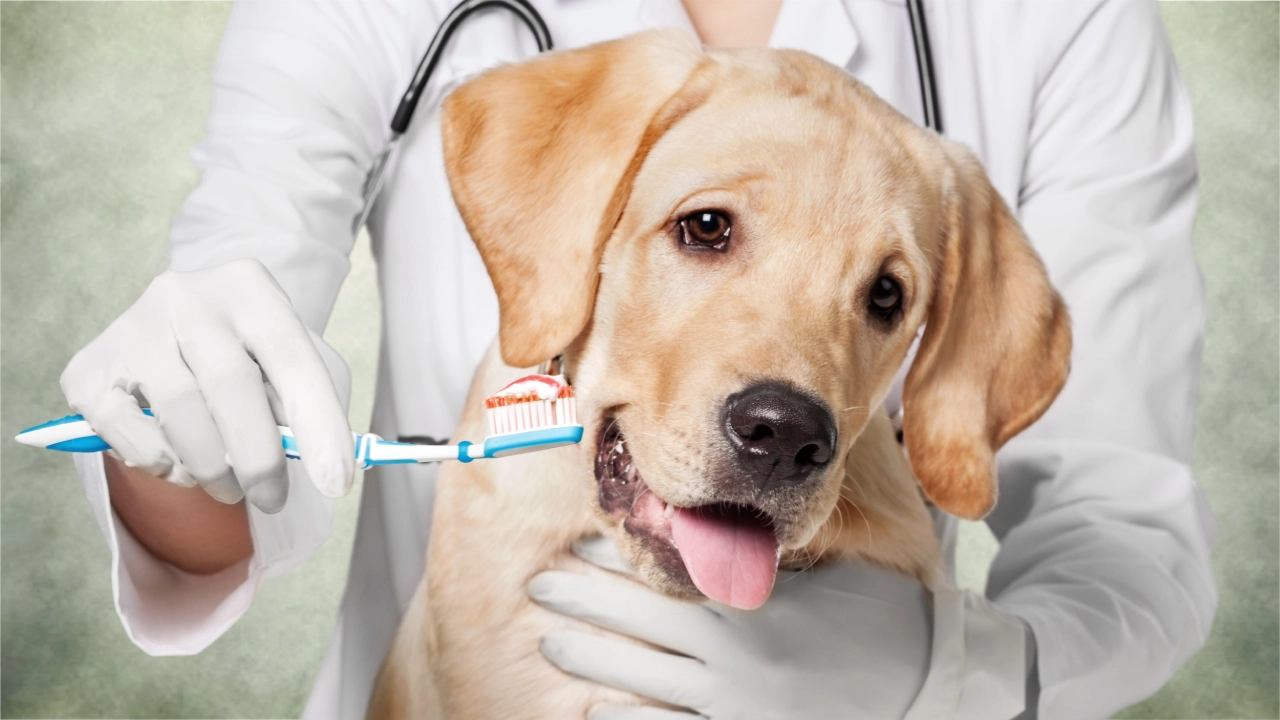
10 Dog Dentistry Issues You Shouldn’t Ignore Any Longer
Early signs are easy to miss, but ignoring them can lead to bigger dental problems for your dog.
Dogs rarely complain when something feels off, especially when it comes to their teeth. You might notice bad breath, slower eating, or a bit of yellow buildup, but it’s easy to brush these off. The reality is that Dog Dentistry plays a major role in your pet’s daily comfort and overall condition. When small dental problems are ignored, they can quickly turn into bigger concerns that affect eating, behaviour, and even energy levels.
Many pet owners only think about dental care when symptoms become obvious. By then, the issue may already be advanced. Knowing what to look for can make a big difference.
What Is Dog Dentistry?
Dog Dentistry refers to the care and treatment of a dog’s teeth, gums, and mouth. It covers everything from routine dog teeth cleaning to identifying and addressing dental problems early.
This includes:
- Regular oral exams
- Removal of plaque and tartar
- Monitoring gum health
- Treating damaged or infected teeth
- Preventive care to avoid future issues
Good canine dental care isn’t just about keeping teeth clean; it helps maintain comfort while eating and prevents avoidable complications.
Why Dental Issues Develop in Dogs
Dental problems don’t appear overnight. They usually build up slowly due to everyday habits and missed care.
Some common causes include:
- Lack of brushing: Without regular cleaning, plaque hardens into tartar
- Diet choices: Soft foods can stick to teeth more easily
- Chewing habits: Limited chewing reduces the natural cleaning action
- Missed checkups: Early signs often go unnoticed without exams
- Age-related wear: Older dogs are more prone to dental breakdown
Dog Dentistry focuses on catching these issues early before they become painful or difficult to manage.
10 Dog Dentistry Issues You Should Watch For
Spotting early warning signs can help you act before the problem worsens. Here are ten common issues to keep an eye on:
Bad breath
Persistent odour often signals bacterial buildup or infection.
Gum inflammation
Red or swollen gums can indicate irritation or early gum disease.
Loose or broken teeth
Teeth shouldn’t move or appear chipped; this may cause discomfort while eating.
Difficulty eating
Slower chewing or dropping food can point to oral pain.
Excessive drooling
More drool than usual may be linked to irritation inside the mouth.
Swelling around the mouth
This could suggest infection or an abscess.
Yellow or brown buildup
Visible tartar is a clear sign that a dog’s teeth need cleaning.
Bleeding gums
Blood during chewing or brushing is not normal.
Pawing at the mouth
Dogs often try to relieve discomfort by rubbing or pawing.
Behavioural changes
Irritability or reduced activity can sometimes be linked to dental pain.
Dog Dentistry helps address these problems before they interfere with your dog’s routine.
How Dog Dentistry Issues Are Managed
Addressing dental concerns involves a combination of professional care and home routines.
Oral Examination and Diagnosis
A thorough check helps identify hidden issues such as gum disease or damaged teeth.
Professional Cleaning
This removes plaque and tartar that brushing alone cannot handle.
Treatment for Infections or Damage
This may involve treating affected areas or removing severely damaged teeth.
Preventive Care Routines
Regular checkups and consistent cleaning reduce future risks.
At-Home Care
Simple habits like brushing and dental-friendly chew options support daily care.
Dog Dentistry works best when both clinic visits and home care are combined.
Common Mistakes Pet Owners Make with Dog Oral Health
Many dental issues could be avoided with a few simple changes. Here are some common missteps:
- Ignoring early warning signs like mild odour or slight discoloration.
- Relying only on treats or chews without proper cleaning.
- Skipping routine visits to a dog dental clinic.
- Assuming bad breath is normal for dogs.
- Waiting too long before seeking pet dental services.
Dog Dentistry is often overlooked until symptoms become obvious, but early attention makes a big difference.
Dog Dentistry in Whitby, Ontario
In Whitby, many dogs lead active lifestyles, with a mix of indoor and outdoor activities. Diet, weather changes, and chewing habits can all influence a dog’s oral health.
Local pet owners often juggle busy schedules, making regular brushing easy to forget. However, even small steps like checking your dog’s mouth weekly or choosing the right chew items can help maintain oral health.
Access to a nearby dog dental clinic also makes it easier to stay consistent with checkups. Keeping up with dog dentistry helps ensure your dog stays comfortable while eating and playing.
FAQs
How often should my dog get dental checkups?
Most dogs benefit from a dental check at least once a year, though some may need more frequent visits depending on their condition.
Is dog teeth cleaning necessary even without symptoms?
Yes. Many dental problems develop without obvious signs at first, so regular cleaning helps prevent buildup.
What are the early signs of dental issues in dogs?
Bad breath, slight gum redness, and visible tartar are often the first indicators.
Can poor oral health affect my dog’s overall condition?
Yes. Dental problems can impact eating habits and may lead to more serious concerns if untreated.
Are certain breeds more prone to dental problems?
Smaller breeds and dogs with tightly packed teeth are more prone to dental issues.
Moving Forward
Dental issues in dogs rarely resolve on their own. What starts as a mild buildup or bad breath can become much more uncomfortable if ignored. Paying attention to small changes and acting early can help avoid bigger problems.
If you’ve noticed any of these signs, it may be time to have your dog’s teeth checked. You can visit Morningstar Pet Hospital at 670 Taunton Rd E, Whitby, ON L1R 0K6, Canada to have your dog’s oral health assessed.
Book a visit or stop by to ensure your dog stays comfortable, active, and ready for everyday life.